
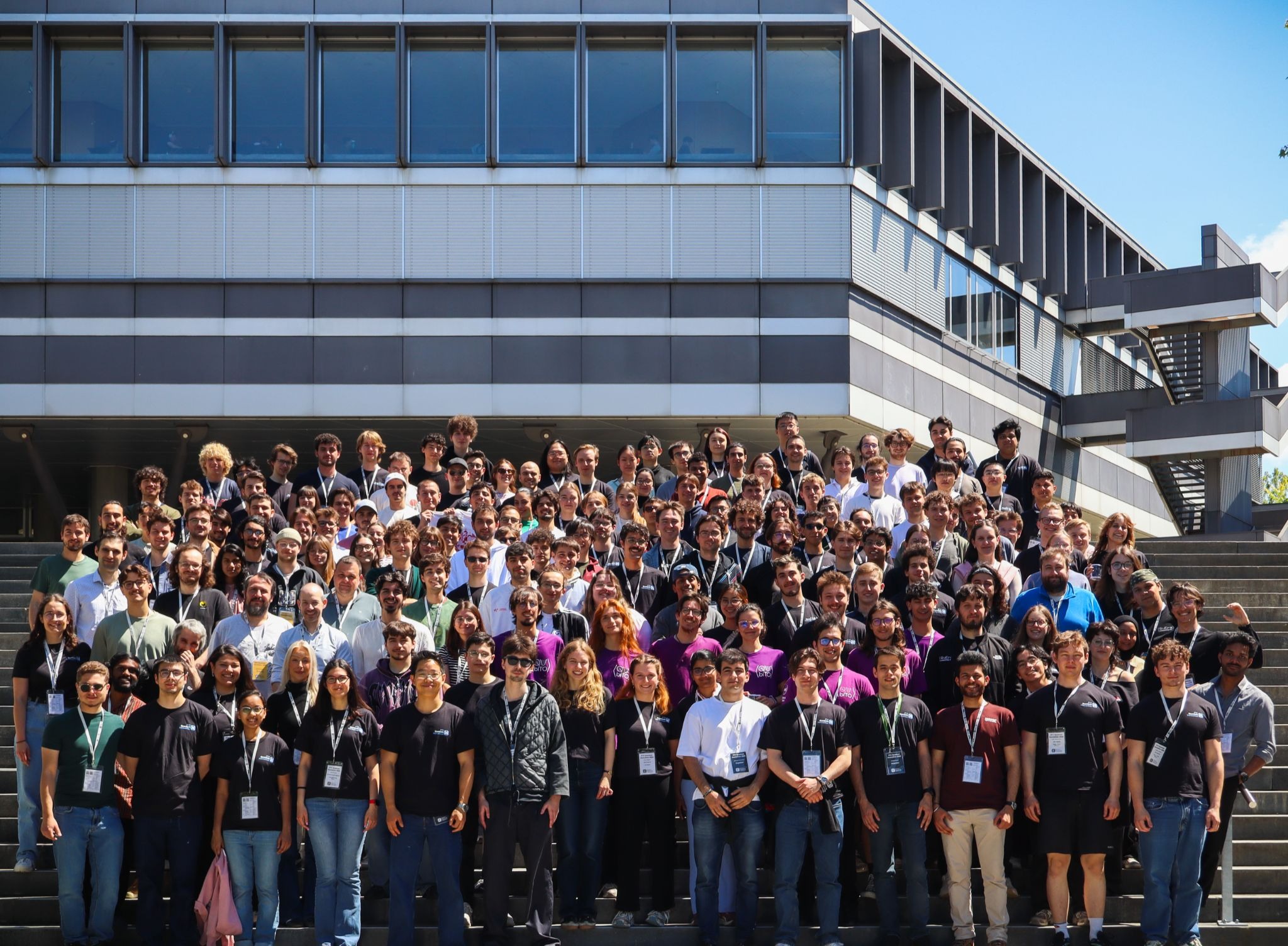
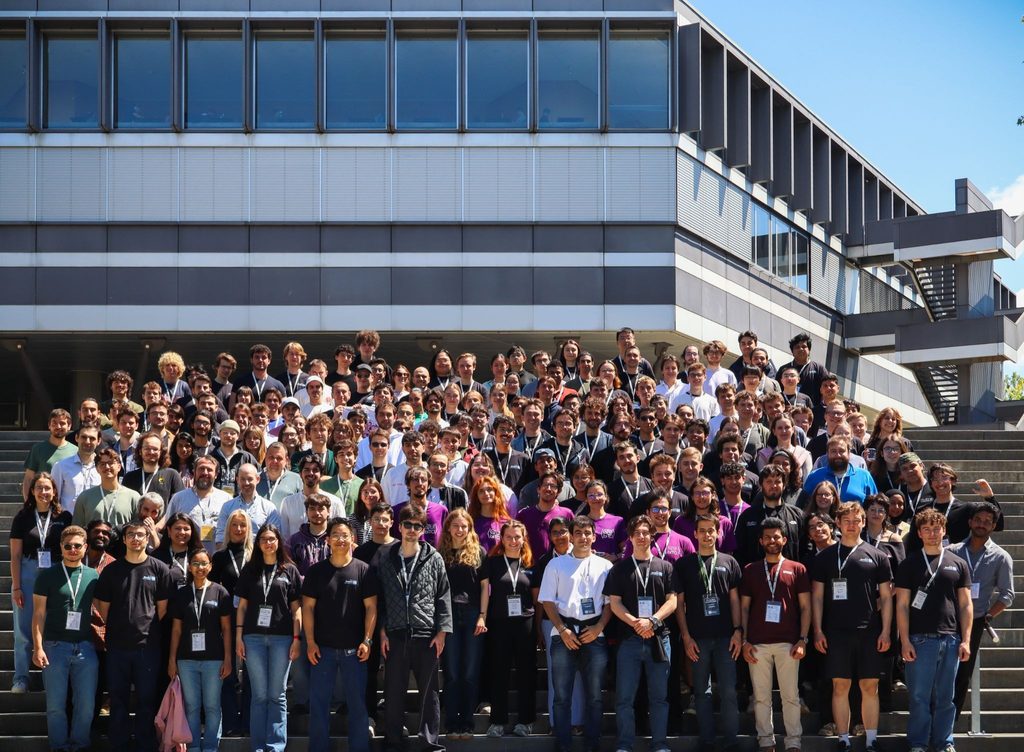
From 8 to 10 May 2026, GSMA and QCentroid co-hosted a challenge at the ETH Quantum Hackathon in Zürich. This article sets out the problem student teams tackled, how their work was judged and what the results suggest for telco security.
A Distributed Denial of Service (DDoS) attack floods a network from many sources at once. No single flow of traffic gives the attack away. The signal only appears when thousands of flows are read together.
GSMA and QCentroid brought that problem to the ETH Quantum Hackathon 2026, held at ETH Zürich’s Hönggerberg campus. The Quantum Engineering Commission, a student organisation at ETH Zürich, runs the hackathon. Student teams from across Europe spent the weekend on industry challenges, and the GSMA × QCentroid challenge was one of four.
The results were more useful than a leaderboard. They showed where quantum methods are worth a second look and where they are not.
The challenge
Teams received flow-level network telemetry modelled on a university campus network. The data came in two attack patterns. In one, many internal machines flood a target. In the other, a handful of cloud-hosted bots do the same.
Teams worked on two tasks:
- Find the attack windows. Identify the time windows that contained DDoS activity.
- Find the attackers. Identify the source IP addresses behind those windows.
One rule applied to every team. The solution had to use quantum or quantum-inspired machine learning somewhere in the pipeline, and the team had to justify why that method fit that step. Quantum-inspired methods borrow ideas from quantum computing but run on simulators or classical hardware.
Teams built on the QCentroid platform, with access to simulators and a quantum backend.
Rigour ahead of raw accuracy
GSMA and QCentroid judged submissions on four questions:
- Appropriateness. Does the technique fit the sub-task it was applied to?
- Justification. Why this method over the classical alternative?
- Realism. Is the approach credible on today’s simulators and hardware, with its limits stated honestly?
- Implementation quality. Is the code clean, the experimental design sound and the validation rigorous?
Detection accuracy counted as supporting evidence. It did not decide the outcome.
What the teams showed
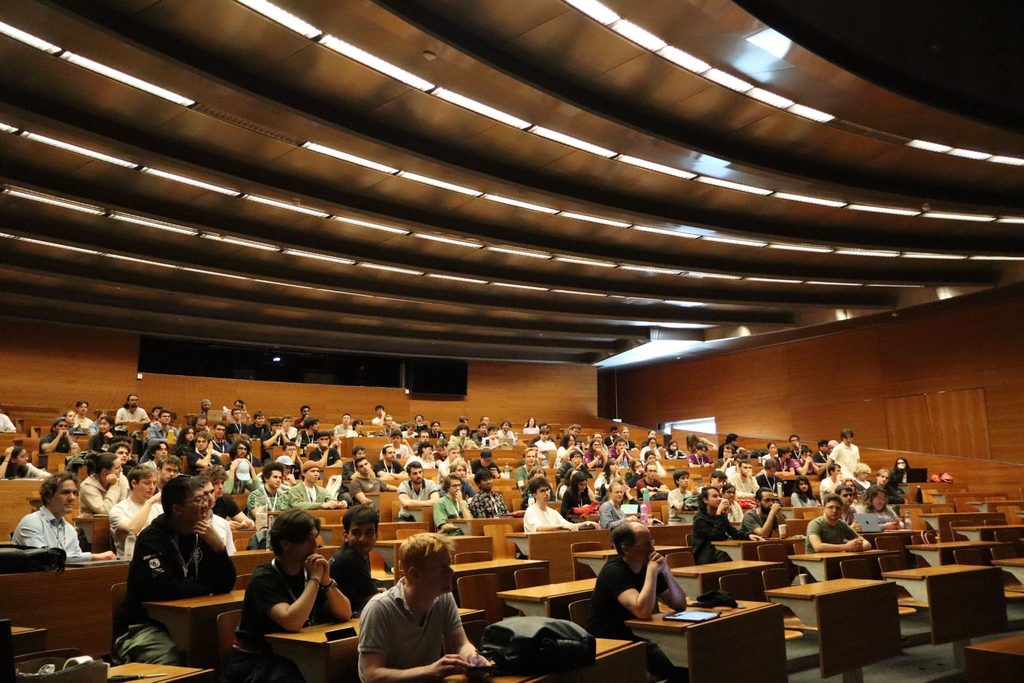
Five teams chose the GSMA × QCentroid challenge. Between them they covered most of the main families of quantum machine learning.
A consistent pattern emerged across the submissions:
- Clean data favours classical features. On clean benchmark data, carefully engineered classical features carried most of the DDoS signal.
- Hard cases are where quantum looked promising. Quantum and quantum-inspired methods looked most promising on small training sets, on attackers disguising their traffic as normal behaviour, and on new attack types with no labels.
- The hard cases are the real ones. That harder regime matches the daily reality of a telco security operations centre.
This finding is a hypothesis. The results come from a weekend hackathon, run largely on simulators. They show where serious testing should go next. They do not demonstrate an advantage in production.
Why GSMA and QCentroid chose this problem
The GSMA Quantum Technologies workstream maps telco use cases where quantum technology could deliver real value for operators. DDoS detection is a strong candidate. The data is structured, the attack signal is collective, and several quantum techniques have credible theoretical motivation for this kind of problem.
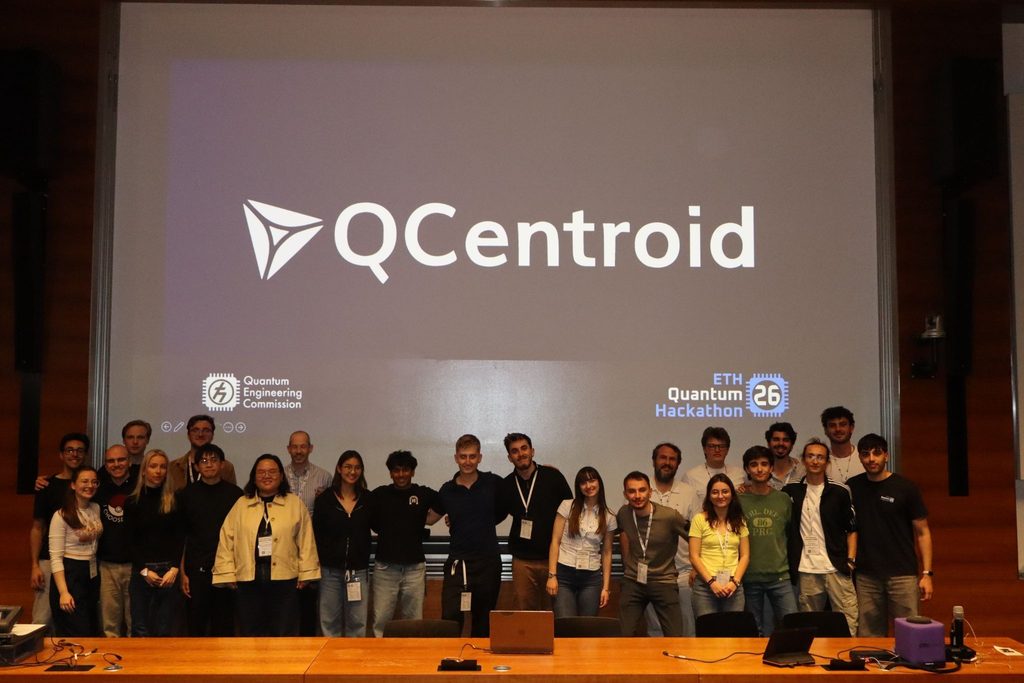
The DDoS challenge was designed to feed that work. After the hackathon, the teams behind the strongest submissions presented their work to the GSMA team on a call, sharing what they had learned with the people mapping these use cases.
GSMA and QCentroid have since published the Quantum Computing Implementation Playbook for Telco Operators, a practical guide to evaluating where quantum computing can create value for operators. The playbook is the first phase of the GSMA Foundry and QCentroid collaboration.
Keep working on problems like this
If you are a motivated student or researcher and want to keep working on problems like this one, take a look at QCentroid’s Qatalyst Open Research Program.
Frequently asked questions
What was the GSMA × QCentroid challenge? Student teams at the ETH Quantum Hackathon 2026 had to detect DDoS attacks in campus-style network traffic using quantum or quantum-inspired machine learning. Each team had to find the time windows containing an attack and the source IP addresses responsible.
Did the hackathon show a quantum advantage for DDoS detection? No. On clean data, engineered classical features carried most of the signal. Quantum methods looked most promising on harder cases such as small training sets and disguised attackers, and that remains a hypothesis to test beyond a weekend on simulators.
What happened after the hackathon? The teams with the strongest submissions presented their work to the GSMA team on a call to share what they had learned. GSMA and QCentroid have since published the Quantum Computing Implementation Playbook for Telco Operators.
Summary
At the ETH Quantum Hackathon 2026 (ETH Zürich, 8–10 May), GSMA and QCentroid co-hosted a challenge. Student teams had to detect DDoS attacks in campus-style network traffic using quantum or quantum-inspired machine learning. Five teams took part. Judging prioritised appropriateness, justification, realism and implementation quality over raw accuracy. On clean data, engineered classical features carried most of the signal across submissions. Quantum approaches looked most promising on harder cases, such as small training sets and disguised attackers, and this remains a hypothesis to test. Afterwards, the teams with the strongest submissions presented their work to the GSMA team. GSMA and QCentroid have since published the Quantum Computing Implementation Playbook for Telco Operators.